Pojangmacha: Korea's street food tents
Explore Korea's pojangmacha—street food tents offering late-night snacks and drinks. Learn about their history, popular dishes, etiquette, and where to fin
By Jae Park · Updated Jul 24, 2026
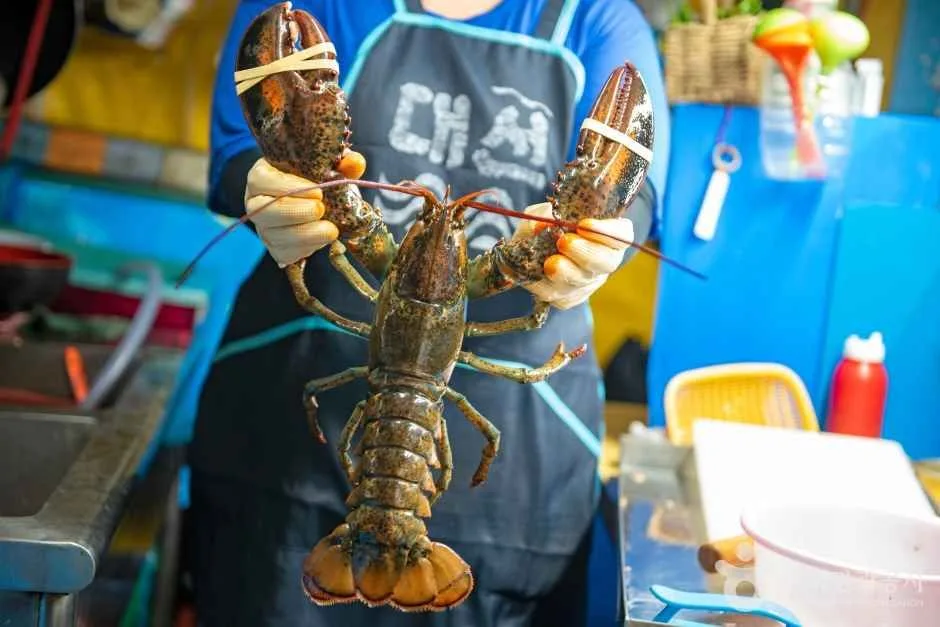
As night falls in Seoul, orange tents known as pojangmacha line the streets, offering a warm glow and the inviting aroma of sizzling street food. These makeshift eateries have been a staple of Korean nightlife since the 1950s, providing a cozy spot for locals and visitors to enjoy late-night snacks and drinks.
What is a pojangmacha?
A pojangmacha is a portable street food tent in Korea, usually set up in the evenings, where you can grab a quick bite and a drink after work or late into the night. These tents, whose name literally means “covered wagon,” are part of the everyday landscape in many Korean cities, especially in areas like Jongno 3-ga and Euljiro. As soon as the sun sets, you’ll spot the telltale orange or green tarps going up, plastic flaps rustling in the breeze, and steam rising from pots of simmering snacks.
Inside, the setup is simple: a few stools surrounding a narrow counter, sometimes a portable heater in winter, and a friendly owner cooking up dishes right in front of you. The menu is usually written on bright paper signs, and the atmosphere is casual—no reservations, no dress code, and plenty of regulars who come for both the food and the conversation. You’ll find locals unwinding over soju, office workers grabbing a late dinner, and sometimes even a film crew shooting a scene for the latest K-drama. The pojangmacha isn’t just about food; it’s a nightly ritual and a place for spontaneous stories.
Menus change with the seasons, but the classics are always there. Don’t be surprised if everyone orders drinks first before moving on to food. Many tents are cash-only, so bring small bills just in case. For a deeper look at the range of street food you’ll find, see our Korean street food guide.
The history and evolution of pojangmacha
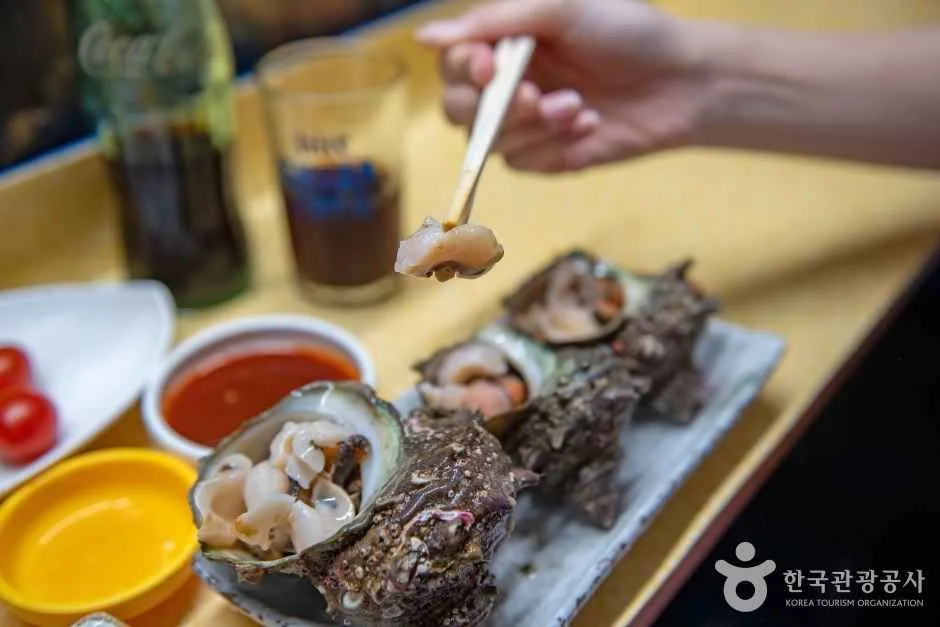
Pojangmacha have their roots in the 1950s, a time when Korea was rebuilding after the Korean War. Back then, pojangmacha were nothing more than makeshift carts covered with tarps, set up by people looking for a way to make a living in the city’s crowded streets. These early versions offered simple snacks and drinks to passersby, often late into the night, and quickly became a fixture of urban life.
As Korea’s cities modernized and grew, so did the pojangmacha. The humble cart and tarp evolved into the tents you see today—bigger, brighter, and more comfortable, but still carrying that sense of informal, after-hours camaraderie. The look and feel of the tents changed, but the core idea stayed the same: an easy, affordable place to eat, drink, and connect. I’ve heard stories from older Koreans who remember going to pojangmacha as students or young professionals, and for them, it’s a reminder of a different era.
It’s also no accident that pojangmacha often show up in K-dramas and movies. These tents have come to symbolize a place for honest talk, midnight confessions, and the kind of laughter that only happens after a long day. If you’re curious about how Korea’s street culture has changed over the decades, pojangmacha are a living window into that story. For more about the historical context of modern Korea, you might find our Joseon dynasty in 10 minutes guide useful.
Popular dishes and drinks at pojangmacha
The heart of the pojangmacha experience is the food—simple, comforting, and perfect with a drink. The most iconic dish is tteokbokki: chewy rice cakes cooked in a spicy, sweet gochujang sauce. It’s hot, messy, and exactly what you want at midnight. Eomuk, or fish cakes on skewers, simmer in a light broth and are served with a little cup of soup; they’re especially popular when the weather turns cold.
Soju is the drink of choice, though you’ll also see beer and sometimes makgeolli (rice wine). Prices are surprisingly affordable, usually ranging from ₩1,000 to ₩5,000 per serving, making it easy to try a few different things without breaking the bank. The custom is to order drinks first, then share plates of food as you talk. Bring cash—many tents don’t take cards, and you’ll want a handful of small bills for speed.
Depending on the season, you’ll spot hotteok (sweet pancakes) in winter or cold noodles and lighter snacks in warmer months. There’s a rhythm to the menu that matches the weather and the mood of the crowd. If you’re visiting for the first time, I’d start with tteokbokki and eomuk, then see what everyone else is ordering. For more ideas on what to try, check out our first-timer’s Korean food guide.
Etiquette and ordering tips
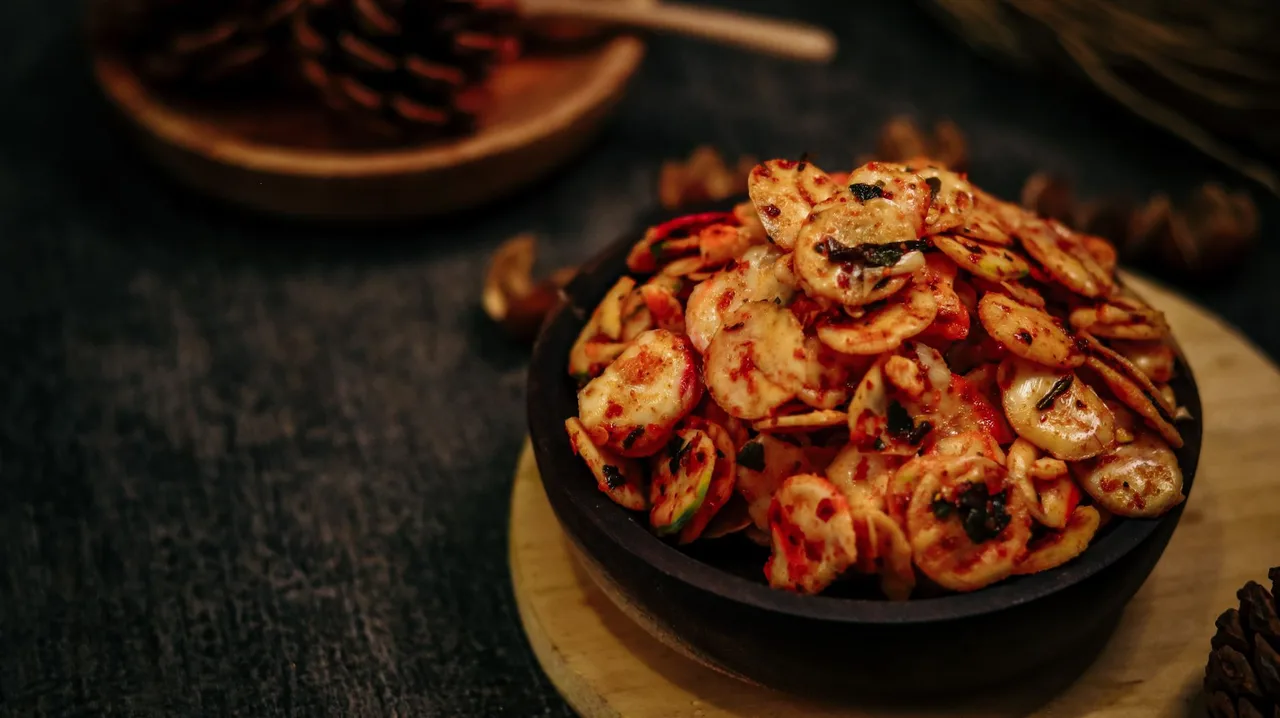
When you slide into a pojangmacha stool, the first thing the owner will likely ask is what you’d like to drink. It’s customary to order your beverage—usually soju, beer, or makgeolli—before you get to the food. This isn’t just about thirst; drinks are central to the pojangmacha experience, and the food is meant to complement your tipple. Once your drink is on the table, you can start adding snacks like tteokbokki, eomuk, or whatever seasonal specialties are on offer. Don’t be shy about asking what’s best that night; owners are usually happy to recommend something, and many tents have menus that change by the season.
Another thing you’ll notice is that most pojangmacha operate on a cash-only basis. I’ve learned the hard way that card payments are rarely accepted, so I always bring a handful of ₩1,000 and ₩5,000 notes. It saves you and the owner some hassle, especially during the evening rush. When paying, it’s normal to settle up either as you order or at the end of your visit, but each tent can be a little different. If you’re with friends, splitting the bill is common, but don’t expect fancy itemized receipts.
A little politeness goes a long way—greet the owner with a simple “annyeonghaseyo,” and don’t linger too long after finishing, especially if seats are in demand. For more on Korean dining manners, see our etiquette guide.
Where to find pojangmacha in Seoul
If you want to experience the classic pojangmacha atmosphere, Seoul’s Jongno 3-ga and Euljiro neighborhoods are your best bet. These areas come alive after dusk, with rows of orange tents glowing under neon lights. Most tents set up around 6 PM and keep serving until the last late-night snackers drift home, which can be well past midnight. I’ve found the Jongno 3-ga area especially lively—on any given night, you’ll see salarymen unwinding, couples sharing a warm bowl of eomuk, and groups of friends squeezing around tiny tables.
Euljiro, just a short walk away, has its own cluster of tents tucked between hardware shops and old alleyways. Compared to more touristy areas, these spots have a lived-in feel and attract a mix of regulars and curious newcomers. The menus aren’t fancy—expect the staples like spicy tteokbokki and steaming fish cake broth, with occasional surprises that change with the season.
Don’t expect pojangmacha on every street corner; strict city regulations have reduced their numbers, so finding a cluster feels special. If you’re planning to explore further, our Seoul travel guide has neighborhood tips and transit advice.
Pojangmacha in Korean pop culture
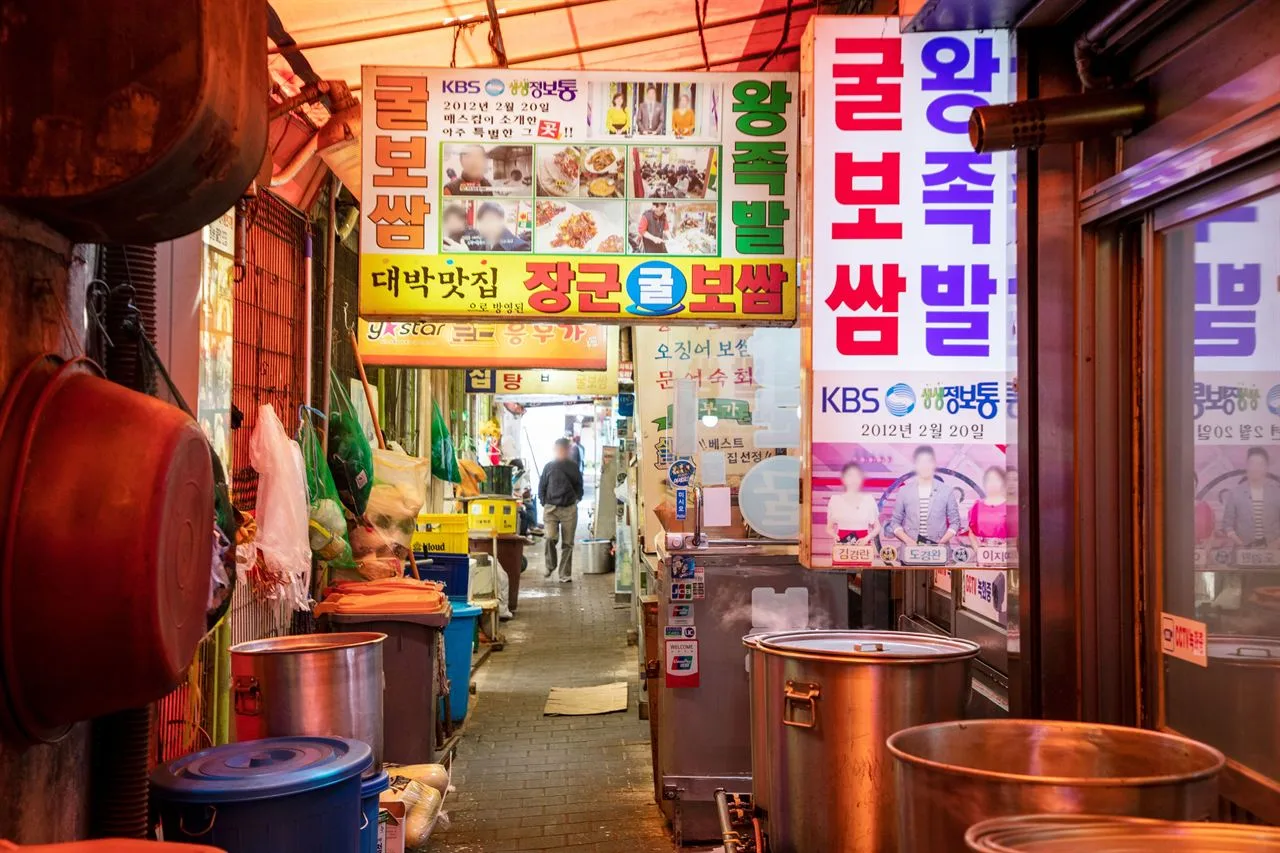
Pojangmacha have become a familiar backdrop in K-dramas and films, often setting the stage for emotional confessions, reconciliations, or late-night soul searching. If you’ve watched any recent Korean series, chances are you’ve seen characters huddled under a tent’s orange glow, pouring soju and sharing stories over bowls of tteokbokki. I always get a kick out of noticing these scenes, because they really capture the spirit of a night out in Korea—intimate, a little bit rowdy, and full of possibility.
Directors seem to love the symbolism: these tents are where defenses come down, and real conversations happen. I’ve lost count of how many times a pivotal K-drama moment unfolds over a simple pojangmacha table. In real life, too, locals use these spaces for everything from first dates to office bonding sessions. Even if you’re not a big drama fan, it’s easy to see why pojangmacha have become so iconic—they turn a street corner into a stage for life’s little dramas.
If you want to visit real-life filming locations and relive some famous scenes, check out our K-drama locations guide.
Seasonal variations and specialties
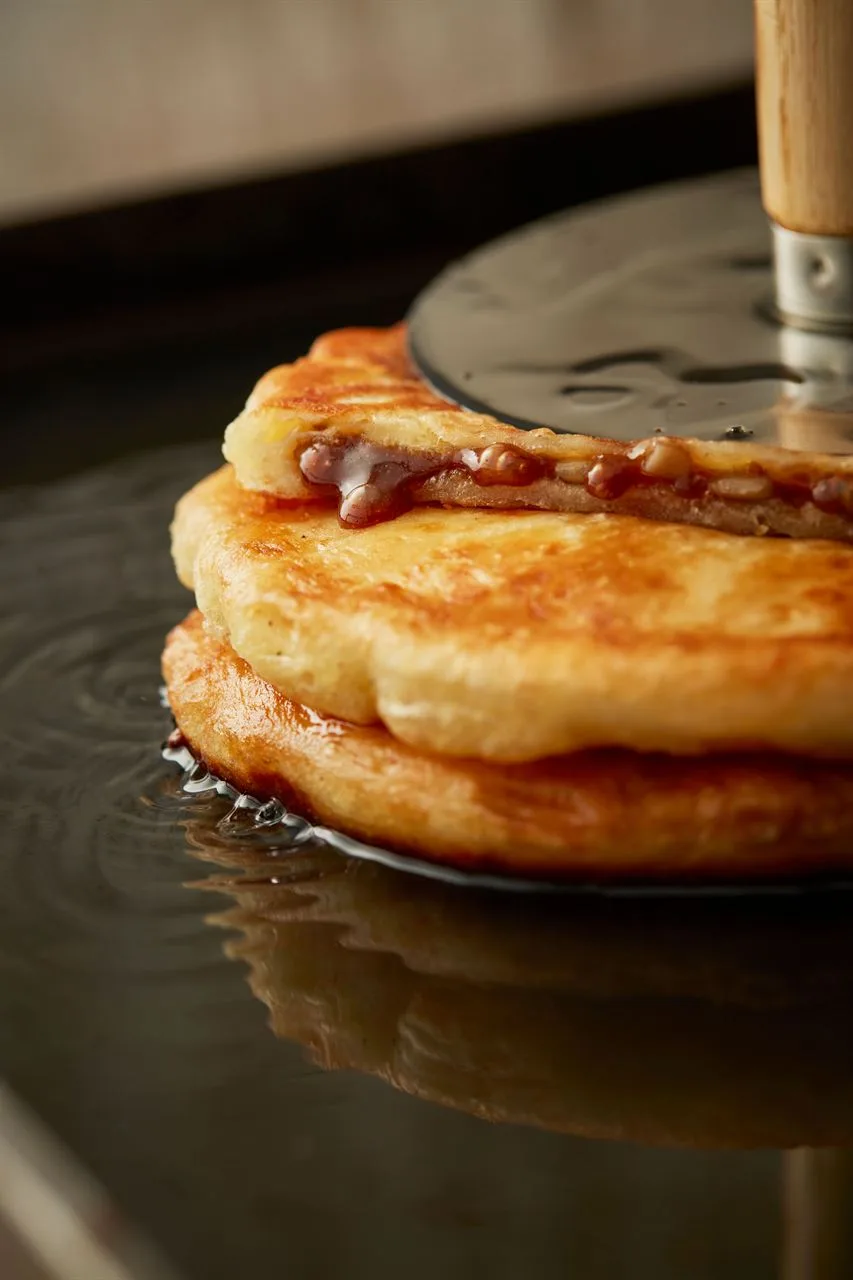
Pojangmacha menus aren’t static—they shift as the seasons change, giving you a reason to visit again at different times of year. In winter, when the wind bites through your coat, you'll find the unmistakable scent of hotteok wafting from the tents. Hotteok, a sweet, syrup-filled pancake, is pressed on the griddle right in front of you and handed over piping hot. I still remember burning my fingertips the first time I tried to eat one too quickly, but nothing else quite hits the spot when it’s cold out. Alongside hotteok, you’ll notice eomuk (fish cakes) skewered and simmering in steaming broth. Many locals cradle a paper cup of the broth in their hands to keep warm while chatting at the counter.
As the weather warms up, pojangmacha vendors might swap out some heavier fare for lighter or more refreshing snacks. It’s not uncommon to see more seasonal banchan or even chilled noodle dishes making an appearance in the summer months. The basic classics like tteokbokki and soju are always present, but the mood and menu really do shift with the temperature. If you’re curious about what’s typically on offer, check out our food guide for more detail.
No matter when you visit, pojangmacha reflect the season not just in their food but in the overall experience. I’ve found that what you crave at a pojangmacha in January is totally different from what you want in July, and the vendors know it too. That’s part of the fun—you never quite know what special treat you might find until you pull back the flap of the tent.
Exploring a pojangmacha offers a genuine taste of Korean street food culture. Remember to bring cash, be open to sharing tables, and enjoy the unique atmosphere these tents provide.
Location
Jongno 3-ga, Seoul
View on Google MapsFrequently asked questions
What does 'pojangmacha' mean?
Pojangmacha translates to 'covered wagon' in Korean, referring to the portable street food tents.
Are pojangmacha open year-round?
Yes, most pojangmacha operate throughout the year, though their menus may change with the seasons.
Do pojangmacha accept credit cards?
Many pojangmacha are cash-only, so it's advisable to carry small bills when visiting.
Is it common to share tables at pojangmacha?
Yes, due to limited space, sharing tables with other patrons is a common practice.
What are typical operating hours for pojangmacha?
Most pojangmacha open around 6 PM and operate until late at night, often until 2 AM or later.
Sources
This guide was researched using the references below. Prices and times change, so confirm anything time-sensitive on the official page before you rely on it.
Related guides
- Korean recipes with ground beefExplore easy and flavorful Korean dishes using ground beef, from bulgogi bowls to kimchi mandu, perfect for quick meals.
- Korean BBQ options near Incheon AirportA guide to enjoying authentic Korean BBQ near Incheon Airport, including top restaurant recommendations and practical tips for travelers.
- Korean BBQ in Incheon: A guide for foreignersDiscover the best Korean BBQ spots in Incheon, understand local dining etiquette, and learn how to enjoy this culinary experience like a local.
- Korean BBQ in Seoul: A guide for first-time visitorsDiscover the essentials of enjoying Korean BBQ in Seoul, from ordering and etiquette to top restaurant recommendations and solo dining options.
- Korean chicken recipes to try at homeExplore a variety of Korean chicken dishes, from spicy stir-fries to comforting soups, with recipes and cultural insights.
- Easy Korean recipes for beginnersDiscover simple Korean dishes like kimchi fried rice and bulgogi that you can make at home with minimal ingredients and time.